
2026-10-08 · Mark Harrison
How to Replace a Furnace Filter in Older Ohio Homes
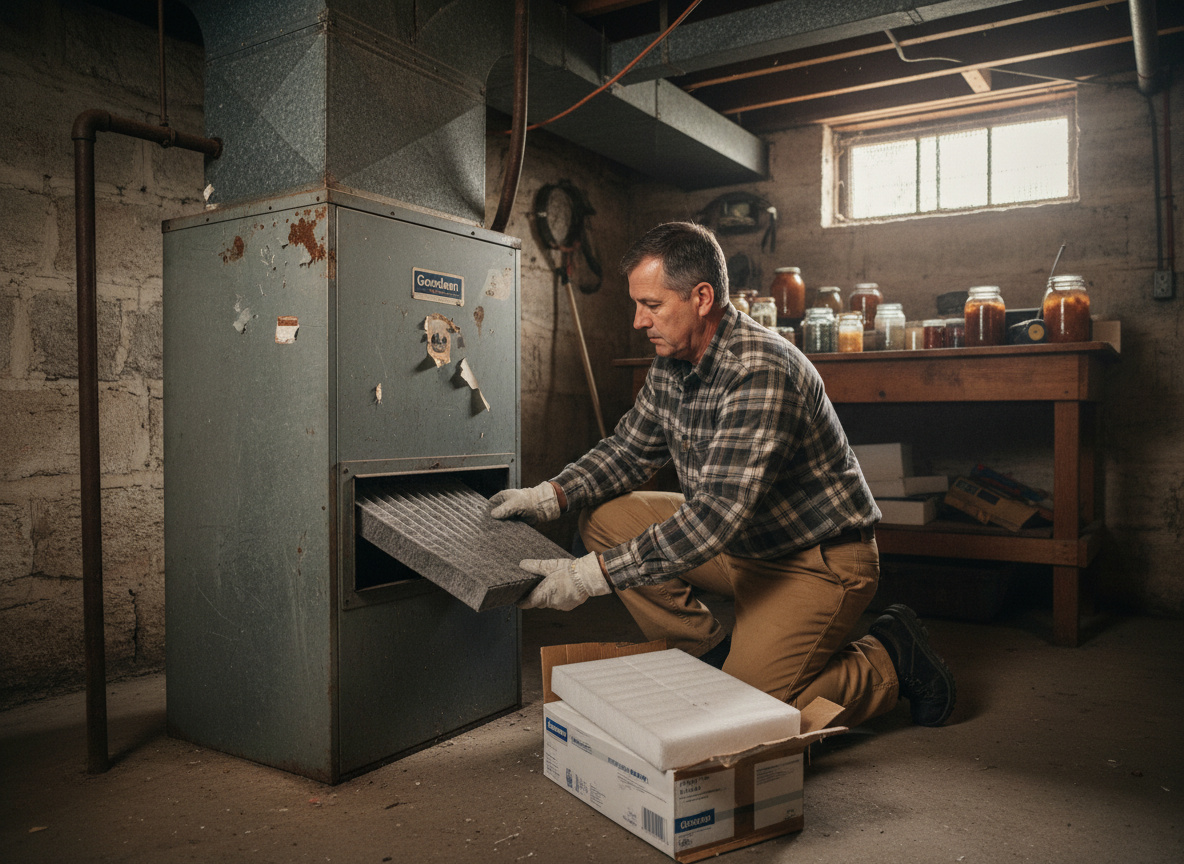
Replacing a furnace filter in older Ohio homes, especially those built before the 1980s that commonly dot neighborhoods from Cincinnati's historic districts to the older sections of Cleveland and Columbus, typically involves locating a rectangular slot either in the return air ductwork or directly at the furnace unit itself. Unlike many newer, high-efficiency systems that might have elaborate filter housings, older models often feature a simpler, accessible slot designed for standard 1-inch or 2-inch thick filters. The exact frequency for replacement depends on factors like pet ownership, allergies, and the age of the home, but a good rule of thumb for these older systems is every 1 to 3 months, especially during the peak heating season when winter temperatures drop significantly, as they often do across the Across Ohio area.
Why Older Ohio Homes Need Special Filter Attention
Older homes across the Across Ohio area, from the stately Victorians in German Village to the bungalows of Lakewood, often present unique challenges for HVAC systems. Their ductwork can be original, sometimes less sealed than modern installations, leading to more dust and debris circulating through the air. Furthermore, many older homes have undergone renovations that might have disturbed settled dust or introduced new materials, all of which contribute to a heavier load on your furnace filter. Neglecting filter changes in these homes can lead to reduced airflow, increased energy consumption, and premature wear on your furnace components, potentially leading to issues like a /services/furnace-not-blowing-air or even a complete breakdown when you need heat the most.
The construction methods and materials used decades ago also play a role. Older homes might have plaster walls, original hardwood floors, or even remnants of older insulation types that can shed fine particulate matter into the air. This constant influx of airborne particles means your furnace filter is working harder to maintain indoor air quality. Regular, diligent filter replacement isn't just about protecting your furnace; it's about safeguarding the air you breathe within these charming, character-filled residences. It’s a small task that yields significant benefits for both your comfort and your system's longevity.
Identifying Your Filter Type and Size
Before you can replace your furnace filter, you need to know what kind to buy. Most older furnaces in Across Ohio homes use standard disposable filters. You'll typically find a label on the existing filter that indicates its size (e.g., 20x25x1 or 16x20x1) and its MERV rating. The MERV (Minimum Efficiency Reporting Value) rating tells you how effectively the filter captures airborne particles. For older systems, a MERV rating between 5 and 8 is generally recommended. Higher MERV filters (above 10) can restrict airflow too much for some older furnaces, potentially straining the blower motor and leading to /services/furnace-short-cycling. Always check your furnace manual if you have it, or consult with a professional if you're unsure.
The location of the filter can vary. In many older homes, the filter is located in a dedicated slot right next to the furnace unit itself, often on the return air side. Sometimes, especially in homes with more extensive ductwork, the filter might be found in a return air vent in a wall or ceiling. Make sure to note the direction of the airflow arrow on your old filter before removing it, as the new filter needs to be installed in the same orientation to function correctly. This small detail is often overlooked but is crucial for proper filtration.
Step-by-Step Filter Replacement
Replacing your furnace filter is a straightforward process that anyone can do. Here’s how:
- Turn off your furnace: Safety first! Locate your furnace's power switch, usually on the side of the unit, and switch it to the 'Off' position. This prevents the system from accidentally turning on while you're working.
- Locate the filter slot: As mentioned, this is typically near the furnace or in a large return air vent. It's usually a metal or plastic frame with a removable cover or a slot where the filter slides in.
- Note the airflow direction: Before pulling out the old filter, observe the arrow printed on its frame. This arrow indicates the direction of airflow, which is usually towards the furnace itself.
- Remove the old filter: Carefully slide the old filter out. Be prepared for it to be dirty, especially if it hasn't been changed in a while. You might want to have a trash bag ready.
- Insert the new filter: Slide the new filter into the slot, ensuring the airflow arrow points in the same direction as the old one. Make sure it fits snugly without leaving gaps around the edges.
- Close the slot/cover: Secure any covers or latches you opened to access the filter.
- Restore power: Turn the furnace power switch back to the 'On' position.
After replacing the filter, it's a good idea to check your thermostat and ensure the system is operating as expected. You might notice an immediate improvement in airflow or a reduction in dust. For homes in areas like Dayton or Akron, where older housing stock is prevalent, maintaining a clean filter is especially important for system efficiency during the cold Ohio winters. If you encounter any issues or notice your /services/furnace-running-constantly after a filter change, it might be an indication of a deeper problem requiring professional attention.
When to Call a Professional
While filter replacement is a DIY task, there are times when professional help is warranted. If you're unsure about the correct filter type or size for your older furnace, or if you find that your furnace is still struggling with airflow or heating performance even after changing the filter, it's time to call an expert. Issues like a /services/furnace-blowing-cold-air or strange noises after a filter change could indicate problems with the blower motor, ductwork, or other internal components that require skilled diagnosis and repair. Many older systems, particularly those in historic homes around places like Chagrin Falls or Gambier, might have unique configurations that benefit from a professional eye.